
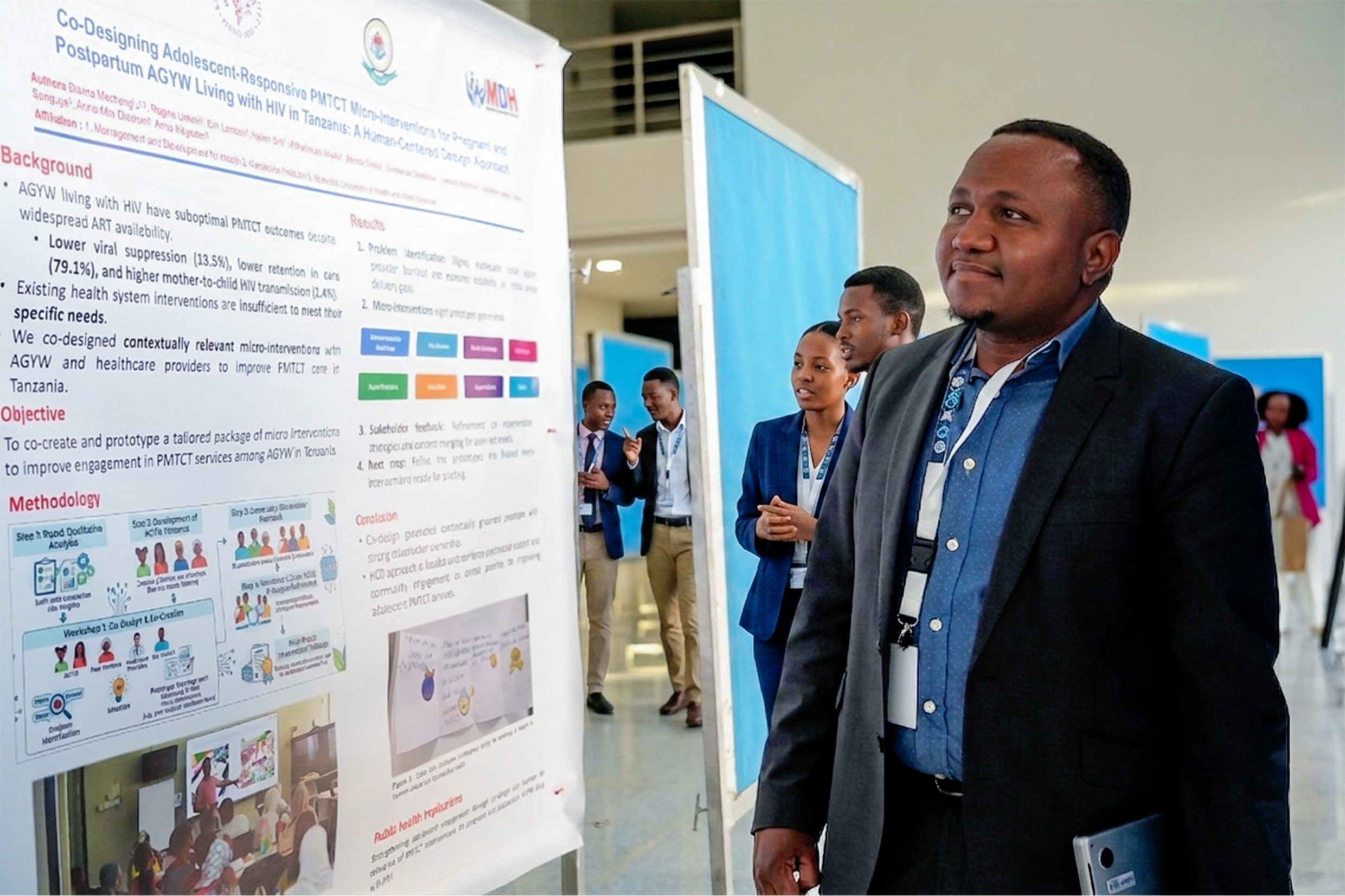
Advancing Public Health Through Research and Implementation Science
Research is a cornerstone of MDH's commitment to advancing public health in Tanzania. We generate and apply scientific evidence to strengthen health systems, improve the quality of healthcare services, and inform national and global health policies. By integrating research into program implementation, MDH bridges the gap between evidence and practice, ensuring that proven interventions are translated into sustainable public health impact.
Our Research Focus
Implementation Science and Health Systems Research
MDH is a leader in implementation science, evaluating how evidence-based interventions can be effectively delivered, scaled, and sustained in real-world settings. Our research strengthens health systems by identifying innovative approaches to improve service delivery, digital health, laboratory systems, quality improvement, workforce capacity, supply chain management, and data use for decision-making.
HIV/AIDS and Tuberculosis Research
Building on our extensive HIV and TB programs, MDH conducts operational and implementation research to improve HIV prevention, treatment, viral suppression, differentiated service delivery, advanced HIV disease management, paediatric and adolescent care, TB case detection, treatment outcomes, and integrated TB/HIV services. These studies generate evidence that supports Tanzania's efforts to achieve and sustain epidemic control.
Maternal, Child, and Community Health Research
Our research advances reproductive, maternal, newborn, child, and adolescent health by evaluating interventions that improve maternal survival, child health, nutrition, immunization, family planning, and community-based healthcare services.
Emerging Public Health Priorities
MDH also conducts research on malaria, disease surveillance, outbreak preparedness and response, non-communicable diseases, antimicrobial resistance, and other emerging public health challenges, helping strengthen Tanzania's preparedness for current and future health threats.
Strategic Research Partnerships
MDH collaborates with the Ministry of Health, universities, research institutions, healthcare facilities, and global partners to conduct high-quality research that meets international scientific and ethical standards. These partnerships foster innovation, strengthen local research capacity, and accelerate the translation of evidence into policy and practice.
From Evidence to Public Health Impact
At MDH, research is not an end in itself; it is a catalyst for better health. By advancing public health research and implementation science, we generate the evidence needed to improve healthcare delivery, inform policy, strengthen health systems, and scale innovative solutions that create lasting health impact for communities across Tanzania and beyond.
Projects Under This Program
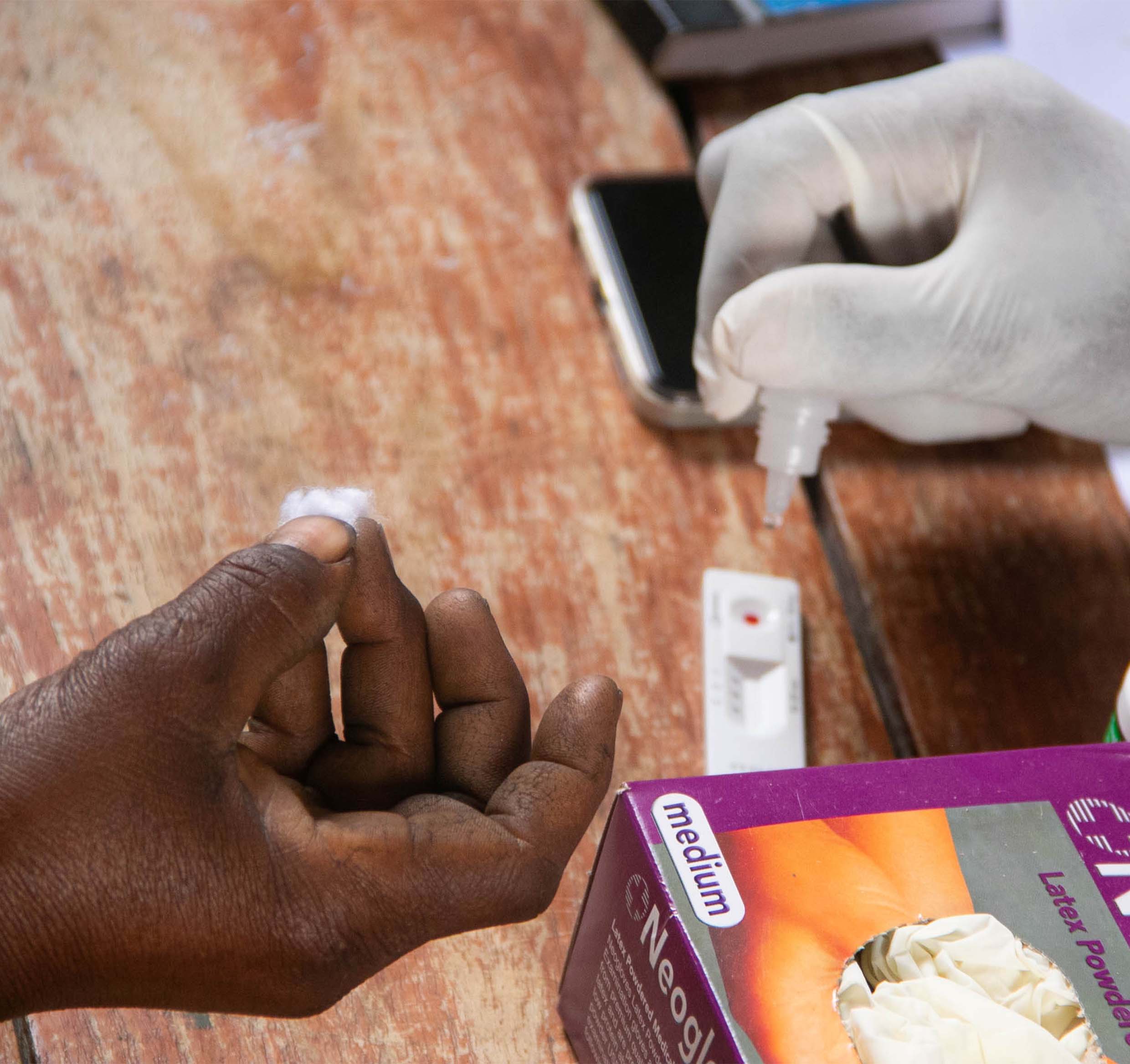
NDOVU Cohort Study
Ndovu is a multi-country prospective cohort study funded by the Gates Foundation, which in...
View project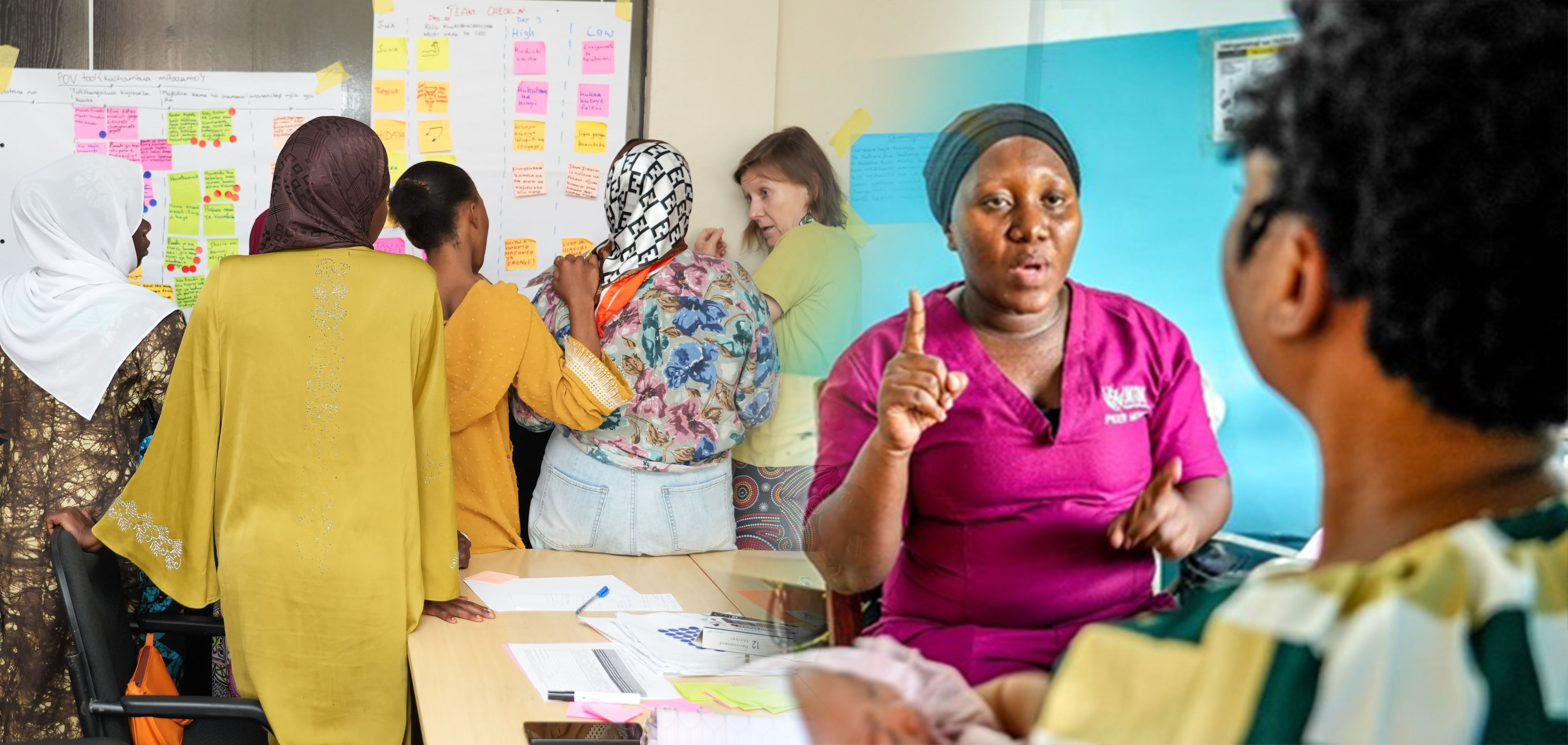
ENGAGE Project
Is a four-year research project to improve health outcomes among adolescent girls and youn...
View project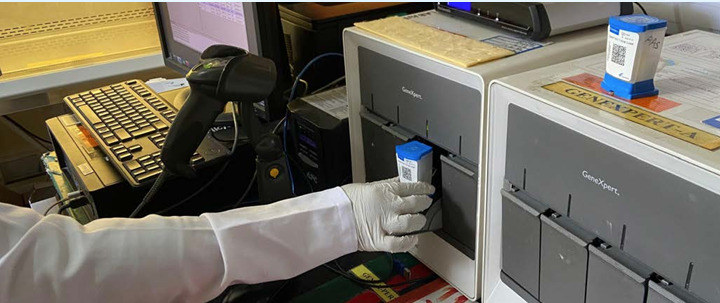
EAPOC VL Project
This two year multi country research project evaluates the feasibility, acceptability, and...
View project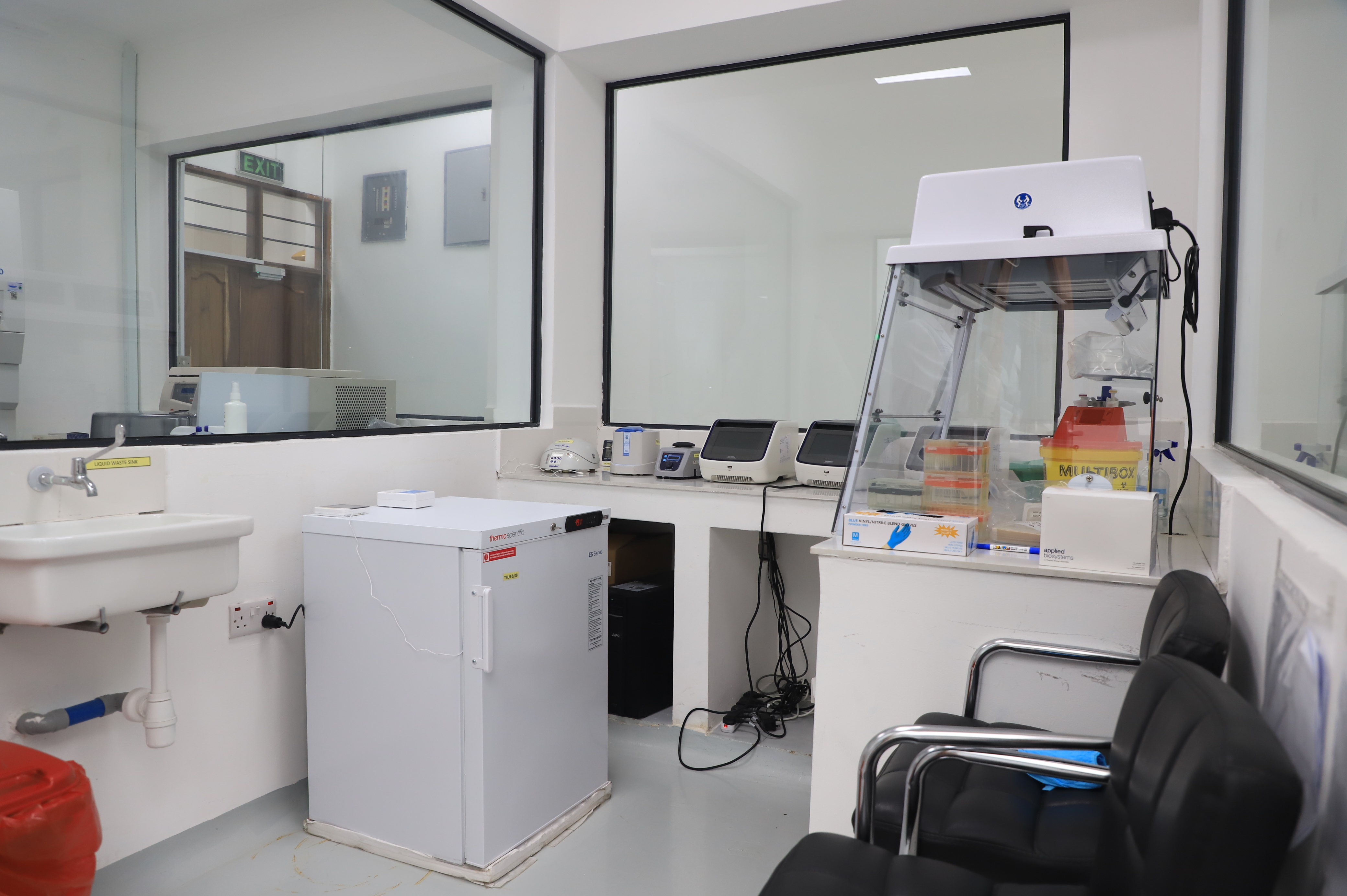
CADRE SURVEILLANCE
A laboratory-based surveillance is implemented in collaboration by MDH, the MOH, and the U...
View project
Givemove Project
Is the randomised open labelled randomized clinical trial that assesses the clinical impac...
View project
Afya III: Rudi Kundini, Pamoja Kundini
Use of antiretroviral therapy (ART) among people living with HIV (PLHIV) reduces mortality...
View projectRelated Programs
Health System Strengthening
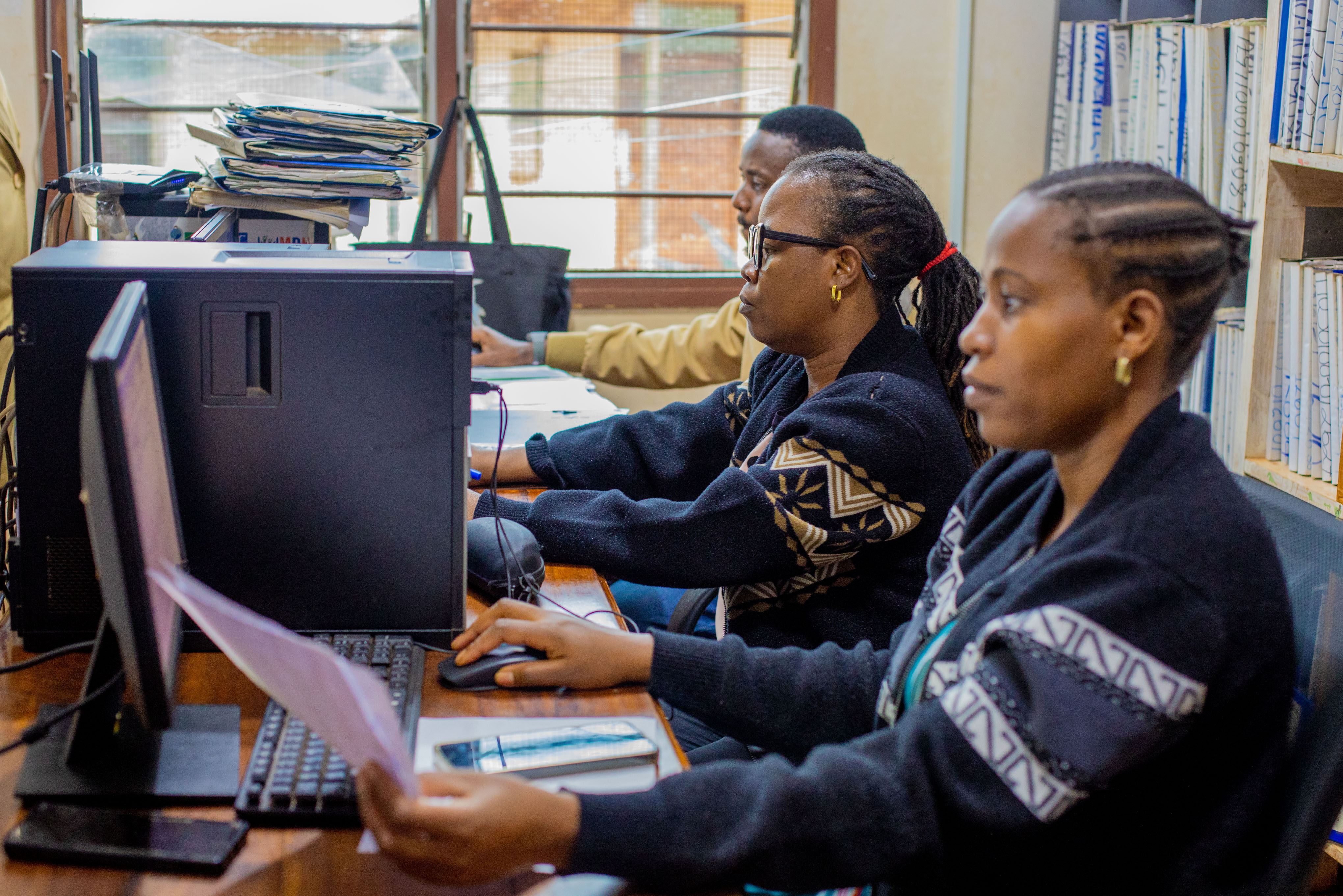
MDH strengthens Tanzania's health system by partnering with the Government and development partners to improve the quality, accessibility, and sustainability of healthcare through stronger leadership, a skilled workforce, quality improvement, digital innovation, and evidence-based solutions.
Learn More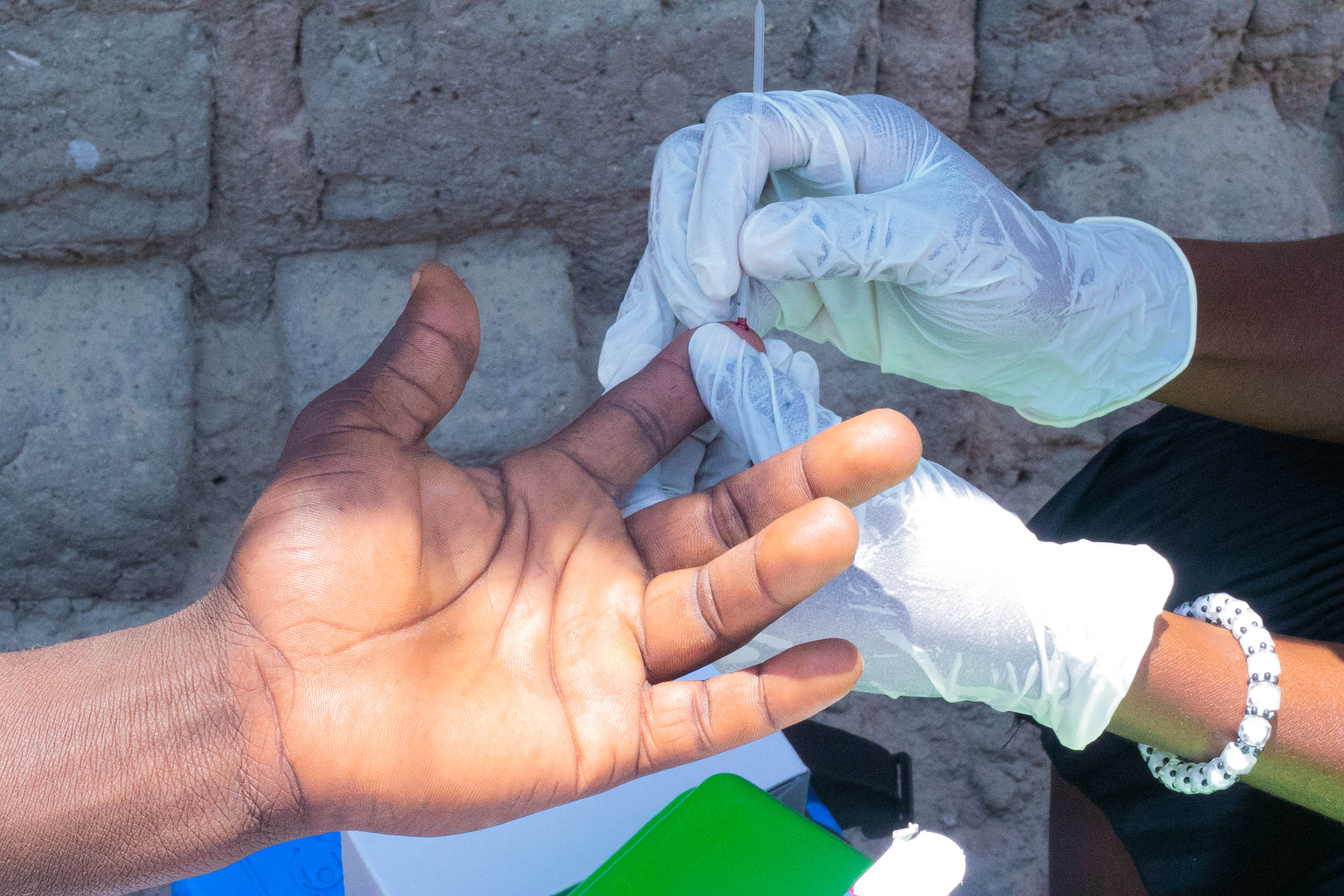
Service Delivery
MDH delivers integrated, people centred health services by strengthening HIV/AIDS care and treatment, tuberculosis, maternal and child health, laboratory systems, digital health, and the health workforce, improving access to quality healthcare and better health outcomes across Tanzania
Learn More